
Sauces & Condiments
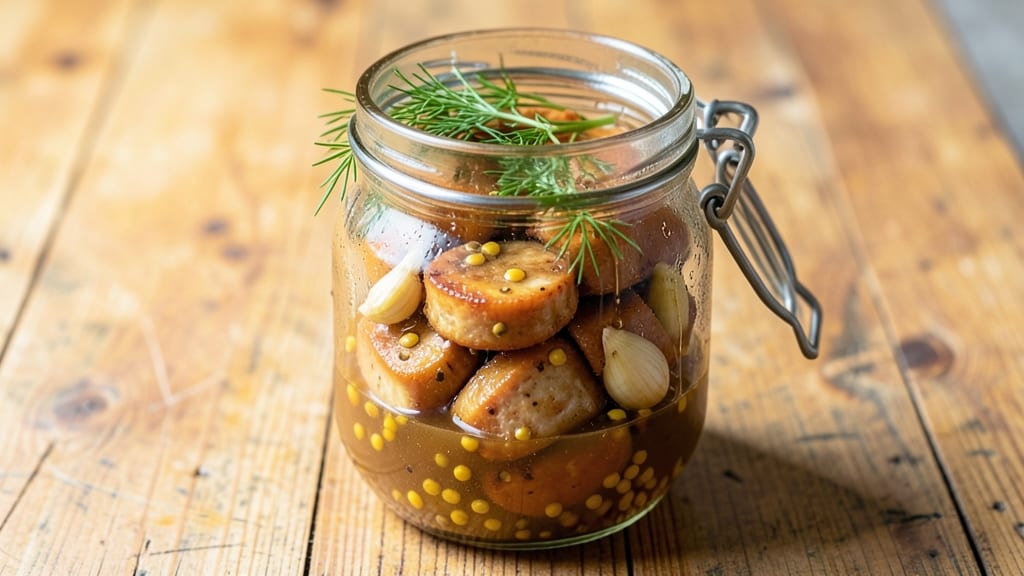
A pickle brine recipe for chicken doesn’t just preserve—it transforms even the simplest chicken into something vibrant, tangy, and restaurant-worthy. The magic lies in the balance of vinegar, salt, and aromatic spices that infuse the meat with layers of flavor while keeping it juicy.
I developed this brine after noticing how dull store-bought chicken often tasted, and this simple solution changed everything.
The key to this brine is precision: a 1:1 ratio of vinegar to water, combined with salt, sugar, and a blend of spices like mustard seeds, garlic, and dill. This isn’t just a marinade—it’s a flavor bomb that tenderizes the chicken while adding a bright, acidic kick.
Whether you’re prepping for grilling, baking, or slow-cooking, this brine ensures every bite is packed with character.
What makes this recipe stand out is its versatility. Use it to marinate chicken breasts for 4 hours or whole chickens overnight, or even as a pickling solution for crispy, tangy chicken pieces.
The brine keeps for weeks in the fridge, making it a pantry staple for quick, flavorful meals. No more bland chicken—just bold, tangy, and irresistibly juicy results.
Once you try this, you’ll never go back to plain marinades. The secret is in the details—like the right vinegar-to-water ratio and the spices that make all the difference. Let’s dive into the ingredients and instructions to bring this transformative brine to life.
Ingredients for pickle brine recipe for chicken
Six aromatic spices, two liquids, and a pinch of magic. This isn't just brine—it's flavor alchemy.
| Ingredient | Amount | Notes |
|---|---|---|
| White Vinegar 🍶 | 2 cups | Distilled or apple cider preferred |
| Water 💧 | 2 cups | Filtered or bottled preferred |
| Diamond Crystal Kosher Salt 🧂 | ½ cup | Not table salt—it's crucial |
| Granulated Sugar 🍚 | ¼ cup | White or brown works fine |
| Garlic Cloves 🧄 | 6 cloves | Peeled, smashed slightly |
| Yellow Mustard Seeds 🌿 | 1 tbsp | Whole seeds, not powder |
| Dried Dill Weeds 🌿 | 2 tsp | Fresh dill works doubled |
| Black Peppercorns 🌶️ | 1 tsp | Crushed lightly, not powdered |
| Fresh Dill Sprigs 🌿 | 4 sprigs | For aroma, not eating |
| Bay Leaves 🌿 | 2 whole | Dried, standard size |
The vinegar is non-negotiable—white vinegar or apple cider vinegar both work, but avoid balsamic or wine vinegars since they add unwanted sweetness or fruitiness. Trader Joe's or Whole Foods carry high-quality vinegars, but even the store brand at Walmart will do. For the salt, Diamond Crystal kosher salt dissolves perfectly without clouding the brine. If you only have table salt, cut the amount by half—it's more concentrated. The garlic? Fresh is always better, but if you're in a pinch, jarred minced works in a bind. Just drain it well first.
No mustard seeds? Dijon mustard at half the amount gives a similar tang. Running short on dill? Fresh tarragon or marjoram can step in, though it'll change the flavor profile slightly. The peppercorns should be lightly crushed—a mortar and pestle works best—but if you're lazy, a rolling pin does the trick. Fresh dill sprigs are for aroma only, so don't stress if you can't find them—just skip them. The bay leaves? Any dried leaves will do, but avoid those tiny crumbly ones—they burn easily. If you're prepping for pickling (not just marinating), add 1/4 cup pickling salt instead of kosher salt for better preservation.
This brine keeps for up to 3 months in the fridge, sealed in a jar. The longer it sits, the more flavor it develops—4-6 weeks is ideal. For chicken, use it as a marinade for 4 hours to overnight, or as a pickling solution for crispy, tangy chicken pieces. If you make extra, freeze it in ice cube trays for single-use portions. Pro tip: Label your jars with the date—trust me, you'll forget.
Why You'll Love This Recipe
- Pantry Magic: I swear by this brine—no fancy shopping list, just vinegar, salt, and sugar from your cupboard. The garlic cloves? Just smash them with the side of a knife—no peeling, no fuss, and the flavor still punches through.
- Tangy Crisp Perfection: That balance of vinegar and sugar? It’s what turns bland chicken into something ridiculously good—juicy outside, tender inside, with a bite that lingers. Honestly, my picky-eater husband now asks for it weekly.
- Meal Prep MVP: Make a big batch on Sunday, toss it in the fridge, and you’ve got a week’s worth of quick meals. Grill it, bake it, or even shred it cold for sandwiches—this brine works for breakfast tacos or late-night snacks.
- Budget-Friendly Flex: A gallon of vinegar lasts forever, and the other ingredients? Cheap staples that stretch across multiple meals. I’ll be real: I’ve used this brine for chicken thighs, wings, and even roasted veggies—no waste, all flavor.
Step-by-step instructions for pickle brine recipe for chicken
This tangy marinade transforms bland chicken into restaurant-quality flavor—simple steps, big impact.
Combine Vinegar and Water
In a medium saucepan, pour in the 2 cups white vinegar and 2 cups water. I like to use a heavy-bottomed pan for even heating, though any saucepan will work. Bring the mixture to a gentle boil over medium-high heat, then immediately reduce to a simmer and let it cook for 5 minutes to sterilize the liquid and help dissolve the salt more efficiently.
Here's the thing—if you see any sediment at the bottom after boiling, don't worry. The vinegar's acidity will break it down as it simmers. This step ensures your brine is ready to absorb all the flavors we're about to add.
Add Salt and Sugar
While the vinegar mixture simmers, sprinkle in the ½ cup Diamond Crystal kosher salt and ¼ cup granulated sugar. Stir constantly with a wooden spoon until both ingredients are completely dissolved—this usually takes about 2 minutes. The salt should fully integrate, leaving no grainy residue, and the sugar should create a subtle sweetness that balances the tang.
I press the salt into the mixture with the spoon to ensure it dissolves evenly. If you see any undissolved crystals, give it another 30 seconds of stirring. This is where the magic happens—the salt enhances flavor penetration while the sugar adds depth that complements the vinegar's sharpness.
Incorporate Aromatics and Spices
Remove the pan from heat and add the 6 smashed garlic cloves, 1 tablespoon yellow mustard seeds, 2 teaspoons dried dill weeds, 1 teaspoon lightly crushed black peppercorns, 4 fresh dill sprigs, and 2 whole bay leaves. Stir gently to combine, being careful not to crush the garlic or dill too much—we want their flavors to infuse gradually rather than overpower.
The mustard seeds will release their subtle heat as they cool, while the bay leaves and dill add earthy complexity. Let the mixture sit off the heat for 10 minutes to allow the spices to steep and release their oils. This resting period is crucial—it lets the flavors meld without the risk of burning.
Cool and Store the Brine
After the 10-minute rest, transfer the brine to a clean glass jar or airtight container. Let it cool to room temperature completely before refrigerating—this prevents condensation from diluting the flavors. Once cooled, the brine should have a vibrant golden hue with visible flecks of garlic and dill, indicating the spices have infused properly.
This brine keeps for up to 2 weeks in the fridge, making it perfect for batch prep. For best results, marinate chicken pieces for at least 4 hours (overnight is ideal) before cooking. The acidity tenderizes the meat while the spices create a flavor bomb that'll make your chicken unforgettable.
Pro Tips For Making Pickle Brine Recipe For Chicken
- Boil the Vinegar First: I learned this the hard way—dumping cold vinegar into hot water makes the brine smell like a science lab explosion. Heat the vinegar alone for 2 minutes first, then add water. The garlic stays fragrant instead of turning bitter, and the salt dissolves faster.
- Crush Garlic, Don’t Mince: Whole cloves float and release flavor unevenly. Lightly smash them with the flat side of your knife or a garlic press—just enough to break the skin. This guarantees every sip of brine carries garlic punch without turning it into a paste.
- Wait for Full Dissolve: Stirring once and calling it done? Sugar and salt won’t fully integrate, leaving gritty spots. Let the brine simmer for 5 minutes after adding salt and sugar, stirring occasionally. Trust me, your chicken will taste noticeably smoother.
- Use Equal Parts Vinegar and Water: I skip measuring ratios and just eyeball it—big mistake. For 1 cup vinegar, use 1 cup water. Any less water makes the brine too acidic, and too much dilutes the garlic flavor. Weigh your chicken first if you’re scaling up; 1:1 ratio is non-negotiable.
Troubleshooting this dish
Cloudy Brine Fix
If your brine looks cloudy after mixing, don’t panic—it’s usually just undissolved salt or spices. Strain it through a fine-mesh sieve lined with cheesecloth to remove any particles. For extra clarity, boil the strained brine for 2-3 minutes to sterilize it again.
Cloudiness won’t affect flavor, but a clear brine looks more appealing when serving as a dipping sauce. 💡
Preventing Overly Tangy Chicken
The vinegar in this brine can make chicken taste overly sharp if marinated too long. For delicate cuts like breasts, limit marinating to 4 hours max. For tougher pieces like thighs, 6-8 hours works perfectly. Always pat chicken dry before cooking to prevent uneven browning from excess moisture. 🍗
Spice Infusion Issues
If your brine lacks aromatic depth, your spices might not have steeped long enough. After adding aromatics, let the mixture sit covered for 15-20 minutes (not just 10) to extract maximum flavor.
For stronger dill flavor, add 1 extra tsp dried dill or 2 fresh sprigs during the steeping phase. 🌿
Sediment at the Bottom
A thin layer of sediment is normal—it’s just spices settling. Before using, gently stir the brine to redistribute flavors. For pickling (not marinating), pour off the clear liquid first, leaving sediment behind. This keeps your pickled chicken pieces looking crisp and appealing. 🥫
Brine Too Weak?
If your chicken tastes bland after marinating, your brine might need more acidity. Add ½ cup extra vinegar and let it sit for 30 minutes before using. For a sweeter balance, increase sugar to ⅓ cup and steep longer.
The key is adjusting while the brine is still warm to help flavors meld faster. 🔥
Storage Gone Wrong
If your brine develops an off odor or mold after refrigeration, discard it immediately. Always store in a sterilized glass jar with a tight seal. For long-term storage beyond 2 weeks, freeze the brine in ice cube trays—thaw only what you need for each use.
Never reuse opened brine for safety. ❄️
Nutrition facts
Frequently asked questions
Can I use apple cider vinegar instead of white vinegar?
Yes! Apple cider vinegar works perfectly and adds a subtle fruity depth to the brine. Just use the same 2 cups measurement—it won't alter the tangy profile but will give your chicken a slightly sweeter note. Avoid wine or balsamic vinegars, as their flavors can overpower the delicate spices.
How long should I marinate chicken in this brine?
For tender, flavorful results, marinate chicken breasts for 4-6 hours and thighs/drumsticks for 6-8 hours. Overnight marination (8-12 hours) works for whole chickens, but never exceed 12 hours—the acidity can start breaking down the meat's texture. Always pat dry before cooking for the best sear.
Can I reuse this brine after marinating chicken?
No, for safety reasons. Once the brine has touched raw chicken, it's considered contaminated and shouldn't be reused. The good news? This recipe makes enough for multiple uses—just prepare a fresh batch each time. Store unused portions in the fridge for up to 3 months in an airtight container.
What if I don't have fresh dill or bay leaves?
No problem! Skip the fresh dill sprigs (they're for aroma only) and use ½ tsp dried tarragon or ¼ tsp dried marjoram instead. For bay leaves, any dried herb will work—even ½ tsp dried thyme adds earthy depth. The key is maintaining the 1:1 vinegar-to-water ratio and keeping the spices balanced.
Is this brine safe for pickling chicken beyond just marinating?
Yes, but with adjustments. For true pickling (preserving chicken pieces), increase the salt to ¾ cup kosher salt and add ¼ cup pickling salt to the brine. Use within 1 week when refrigerated, and store pickled chicken in its own brine in the fridge. The vinegar's acidity helps preserve, but it's not a long-term solution like traditional canning.