
Main Courses
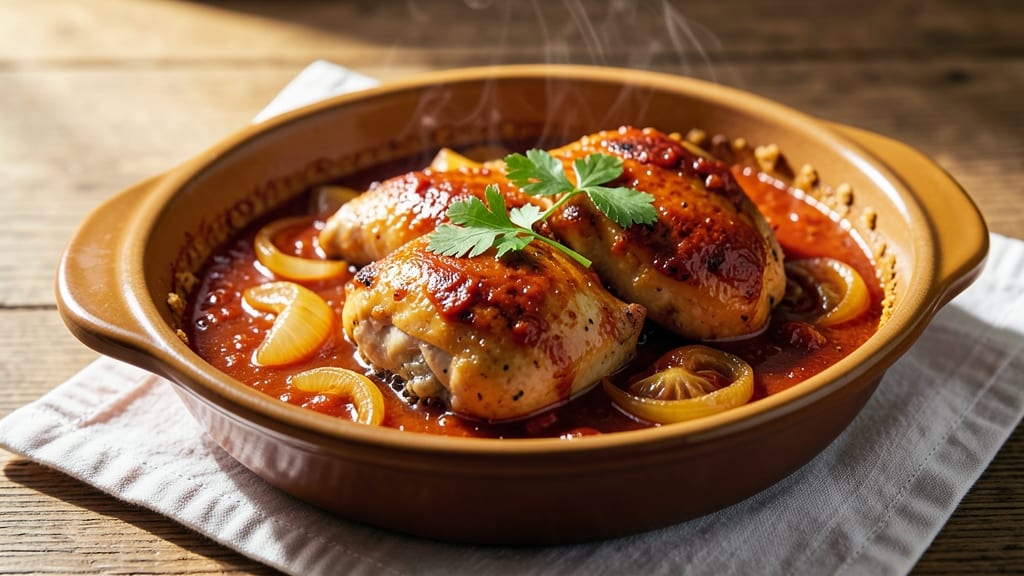
This traditional chicken paprikash recipe brings the rich, smoky flavors of Hungary straight to your kitchen, where tender chicken thighs simmer in a deep, aromatic sauce of sweet and hot paprika.
The harmony of sour cream, onions, and tomatoes creates a dish that’s both comforting and sophisticated—perfect for a weeknight dinner or a special occasion. I’ve perfected this recipe over years of testing, ensuring every element stays true to its Hungarian roots while remaining accessible for home cooks.
The foundation of great paprikash lies in the slow simmering process, which transforms tough chicken into melt-in-your-mouth pieces while building layers of flavor in the sauce. You’ll start by browning the chicken in fat—traditionally lard or butter—to develop a deep, caramelized crust before deglazing with onions and paprika.
This step is critical; it unlocks the full potential of the paprika’s smoky, slightly sweet notes that define the dish.
By the time you serve it, you’ll have a creamy, velvety sauce clinging to perfectly tender chicken, brightened just enough by a touch of sour cream to balance the richness. The aroma alone—warm spices, caramelized onions, and a hint of acidity—will have everyone at the table anticipating the first bite.
Serve it with egg dumplings or crusty bread to soak up every last drop of that luxurious sauce.
This recipe stays true to tradition while offering flexibility—whether you prefer a classic version or a slightly modernized one with extra cream. The key is patience; letting the flavors meld over time is what makes this dish unforgettable. Let’s get cooking!
Ingredients for traditional chicken paprikash
Pantry staples meet Hungarian tradition in this comforting dish.
| Ingredient | Amount | Notes |
|---|---|---|
| Boneless, Skinless Chicken Thighs 🍗 | 1 ½ lb | Trimmed of excess fat |
| Sweet Hungarian Paprika 🌶️ | 2 tbsp | High quality, not smoked |
| Hot Hungarian Paprika 🌶️ | 1 tbsp | For smoky depth |
| Yellow Onions 🧅 | 2 whole | Medium size, sliced thin |
| Unsalted Butter 🧈 | ½ cup | European style preferred |
| Fresh Tomatoes 🍅 | 2 whole | Ripe, diced or crushed |
| Sour Cream 🥛 | ½ cup | Full-fat for creaminess |
| Garlic Cloves 🧄 | 4 cloves | Minced for aroma |
| Vegetable Oil 🫒 | 2 tbsp | For browning chicken |
| Diamond Crystal Kosher Salt 🧂 | 1 ½ tsp | Adjust to taste |
| Freshly Ground Black Pepper 🌶️ | ½ tsp | Light hand preferred |
| All-Purpose Flour 🌾 | 1 tbsp | For thickening sauce |
| Bay Leaves 🍃 | 2 whole | Removed before serving |
| Water 💧 | ½ cup | For thinning sauce |
The paprika is non-negotiable here—Hungarian brands like PaprikaFeld or Rosenlew make all the difference. Sweet and hot varieties work together to create that signature smoky depth. Costco or World Market often carry authentic Hungarian paprika, but check the spice aisle at Whole Foods if you're in a pinch. For the onions, yellow sweet onions caramelize best—avoid red or white. The butter should be European style (like Plugrá) for a richer flavor profile. Fresh tomatoes? Heirloom varieties from the farmers market add the best sweetness, but canned San Marzano in a pinch works too.
No Hungarian paprika? Substitute with a mix of smoked paprika and cayenne—start with 1 tbsp each, then adjust. Fresh tomatoes missing? Canned crushed tomatoes work perfectly, just drain the excess liquid. The sour cream is essential for that velvety finish—full-fat is a must. No need to strain the onions; their texture adds body to the sauce. For extra richness, add 1 tbsp of heavy cream at the end. The bay leaves should be lightly crushed before adding to release more flavor.
This sauce gets better with time—reheat gently on low to preserve its creamy texture. Keeps for 4-5 days in the fridge, freezes beautifully for up to 3 months. I always double the batch because it disappears faster than you'd think. Store in airtight containers with a layer of plastic wrap pressed directly on the sauce to prevent a skin from forming.
Why You'll Love This Recipe
- The secret’s in the mix: sweet and hot paprika together create this deep, smoky-sweet flavor that clings to the chicken like a hug. (Yes, even on a Tuesday night.) The onions caramelize just enough to add that perfect sweetness without overpowering.
- One-Pan Magic: I swear by this recipe—just brown the chicken, toss in onions, dump the paprika blend, and let it simmer. No fancy tools, no extra pots, and honestly? That rich, smoky butter sauce practically makes itself.
- Paprika Powerhouse: The secret’s in the mix: sweet and hot paprika together create this deep, smoky-sweet flavor that clings to the chicken like a hug. (Yes, even on a Tuesday night.) The onions caramelize just enough to add that perfect sweetness without overpowering.
- Leftovers That Shine: This dish actually tastes better the next day—better than takeout, better than most restaurant versions. I make a double batch on Sundays and freeze half; reheating it with a splash of water keeps it luscious, not dry.
Step-by-step instructions for traditional chicken paprikash
Here's how to craft this classic Hungarian dish with rich, smoky flavors and velvety sour cream.
Brown the Chicken for Maximum Flavor
Pat the boneless, skinless chicken thighs dry with paper towels—this ensures a proper sear. Heat the 2 tablespoons vegetable oil in a large Dutch oven over medium-high heat until shimmering. Working in batches if needed, add the chicken thighs and cook undisturbed for 4-5 minutes per side until golden brown with crisp edges. This initial browning develops deep, caramelized flavors that form the foundation of the dish.
As the chicken cooks, you'll notice the fat rendering out—this is essential for building the rich sauce. Once all pieces are browned, remove them from the pot and set aside on a plate. Don't clean the pot yet; those browned bits contain concentrated flavor that will dissolve into the sauce. The chicken should reach an internal temperature of about 160°F at this stage, but it will finish cooking in the sauce.
Build the Paprika Base
In the same Dutch oven, reduce heat to medium and add the 0.5 cup unsalted butter. Let it melt completely, then add the 2 sliced yellow onions and cook for 5-6 minutes until softened and beginning to caramelize. Here's where the magic happens: add the 2 tablespoons sweet Hungarian paprika and 1 tablespoon hot Hungarian paprika, stirring constantly to prevent burning. The paprika should bloom and fill your kitchen with that unmistakable smoky aroma.
After 1-2 minutes of cooking the paprika, add the 4 minced garlic cloves and stir for 30 seconds until fragrant. Then add the 2 diced fresh tomatoes and cook for another 3-4 minutes until they break down into the mixture. This step develops the complex flavor profile that makes paprikash so distinctive. The tomatoes add acidity that balances the richness of the sour cream we'll add later.
Create the Velvety Sauce
Return the browned chicken thighs to the pot. Sprinkle the 1 tablespoon all-purpose flour over the mixture and stir vigorously for 1 minute to coat everything evenly. This creates a roux that will thicken our sauce beautifully. Pour in the 0.5 cup water and stir well, then add the 2 bay leaves and bring the mixture to a gentle simmer.
Cover the pot and let it cook on low heat for 20-25 minutes, stirring occasionally, until the chicken is tender and the sauce has thickened. You'll know it's ready when the sauce coats the back of a spoon and the chicken is fork-tender. The bay leaves should be removed before serving, but they infuse the dish with subtle aromatic depth during cooking.
Finish with Sour Cream and Season
Once the chicken is tender, remove the bay leaves and stir in the 0.5 cup sour cream. The heat will cause it to thicken slightly, creating that signature creamy texture. Season generously with 1.5 teaspoons diamond crystal kosher salt and 0.5 teaspoon freshly ground black pepper, tasting as you go. The sour cream should be fully incorporated but still maintain its velvety quality—don't overcook it.
Let the paprikash simmer uncovered for another 5 minutes to allow the flavors to meld completely. The dish should be rich, slightly smoky, and perfectly balanced between the paprika's warmth and the sour cream's tang. Serve immediately over egg noodles or crusty bread, with extra black pepper sprinkled on top for that final touch of sophistication.
Pro Tips For Making Traditional Chicken Paprikash
- Bloom the Paprika: Toss the sweet and hot paprika into a dry pan first—just a minute on medium heat—before adding anything else. This banishes that bitter, raw taste that ruins so many first attempts. (Yes, it’s weird to skip the liquid at first, but trust me on this.)
- Sweat the Onions Slow: Don’t rush the onions—cook them in the butter for at least 10 minutes until they’re deep golden, not just translucent. If you rush, the paprika will just cling like a sad, dusty film instead of dissolving into a rich, glossy sauce. Patience here makes all the difference.
- Deglaze Aggressively: After browning the chicken, scrape up every last bit of fond from the pan with a wooden spoon—even the blackened bits. Pour in the broth or water immediately and scrape again. Those caramelized bits are where the deep, savory flavor hides, and skipping this step leaves your paprikash tasting flat.
- Finish with Sour Cream (But Not Too Soon): Stir in the sour cream only in the last 5 minutes of cooking, or it’ll turn grainy and split. I used to add it earlier and wondered why my sauce looked like lumpy cottage cheese. (Pro move: Warm the sour cream slightly first—just a splash of hot broth in a bowl—so it blends in silky.)
Essential equipment for this recipe
Dutch Oven Essentials
A heavy-bottomed Dutch oven is non-negotiable for this recipe—it distributes heat evenly and prevents burning while simmering. I recommend a Lodge 5.5-quart (cast iron) or Le Creuset 5.5-quart (enameled) for professional results.
The deep sides prevent spills, and the tight lid helps trap steam for tender chicken. Preheat your Dutch oven before use to ensure even cooking from the start. 🔥
Paprika Quality Matters
Invest in authentic Hungarian paprika—brands like PaprikaFeld or Rosenlew deliver the smoky depth this dish demands. Avoid generic supermarket paprika, which often lacks the complex flavor profile. Store your paprika in an airtight container away from light to preserve its potency.
For best results, grind fresh paprika from whole pods if possible, though high-quality jarred paprika works perfectly. 🌶️
Precision Tools for Browning
Use a meat thermometer to monitor chicken temperature—aim for 160°F before removing it from the pot. A slotted spoon helps remove chicken without disturbing the fond (browned bits) in the pan.
For even browning, I recommend a heavy-duty skillet spatula to flip the chicken thighs without tearing the meat. A microplane is ideal for mincing garlic quickly and finely. ⚡
Sauce Thickening Tools
A whisk is essential for creating a smooth, lump-free roux when combining flour and liquids. I prefer a balloon whisk for its flexibility. For stirring the sauce, a long-handled wooden spoon prevents scorching while allowing you to reach every corner of the Dutch oven.
A fine-mesh strainer helps remove bay leaves cleanly before serving. 💫
Optional Gadgets for Perfection
Upgrade your experience with a dual-probe thermometer to monitor both the chicken and sauce temperature simultaneously. A silicone spatula helps scrape up flavorful browned bits from the pot. For serving, a ladle with a strainer ensures you get both chicken and sauce without lumps.
A small bowl for holding sour cream while it warms gently keeps it from curdling in the hot sauce. 🥄
Storage Solutions
For leftovers, transfer paprikash to glass storage containers with tight-sealing lids. I recommend Pyrex 4-cup containers for reheating directly in the microwave. To prevent a skin from forming, press plastic wrap directly onto the sauce surface before sealing.
Label containers with the date—this dish tastes even better the next day when flavors meld further. ❄️
Nutrition facts
Frequently asked questions
Can I use chicken breasts instead of thighs for paprikash?
Chicken thighs are traditional because they stay juicy during the long simmer. If you must use breasts, pound them to ½-inch thickness and cook them for only 15-20 minutes after adding to the sauce to prevent drying out. For best results, marinate them in buttermilk for 1 hour before cooking.
What's the difference between sweet and hot Hungarian paprika?
Sweet Hungarian paprika gives a mild, earthy flavor with a beautiful red color, while hot paprika adds smoky heat. Use 2 tbsp sweet + 1 tbsp hot for the classic balance. If you only have one, use 3 tbsp sweet paprika and add a pinch of cayenne for depth.
Can I make paprikash in a slow cooker?
Brown the chicken first, then transfer everything to a 6-quart slow cooker on low for 4-5 hours. Add the sour cream only in the last 30 minutes to prevent curdling. The slow cooker makes the sauce even more tender and flavorful.
Why did my sauce turn out too thin?
This usually happens if you didn't cook the flour long enough to make a roux or if the sauce simmered too vigorously. Next time, stir vigorously for 2 minutes after adding flour, then reduce heat to a gentle simmer. For extra thickness, mix 1 tbsp cornstarch with 1 tbsp water and stir it in at the end.
What's the best way to reheat leftover paprikash?
Reheat gently on low heat in a pot with a splash of water or broth to restore creaminess. Microwave for 1-2 minutes on 50% power, stirring halfway. Never reheat in the microwave without covering—it can make the sauce watery. Add a dollop of sour cream at the end to refresh the flavor.