
Main Courses
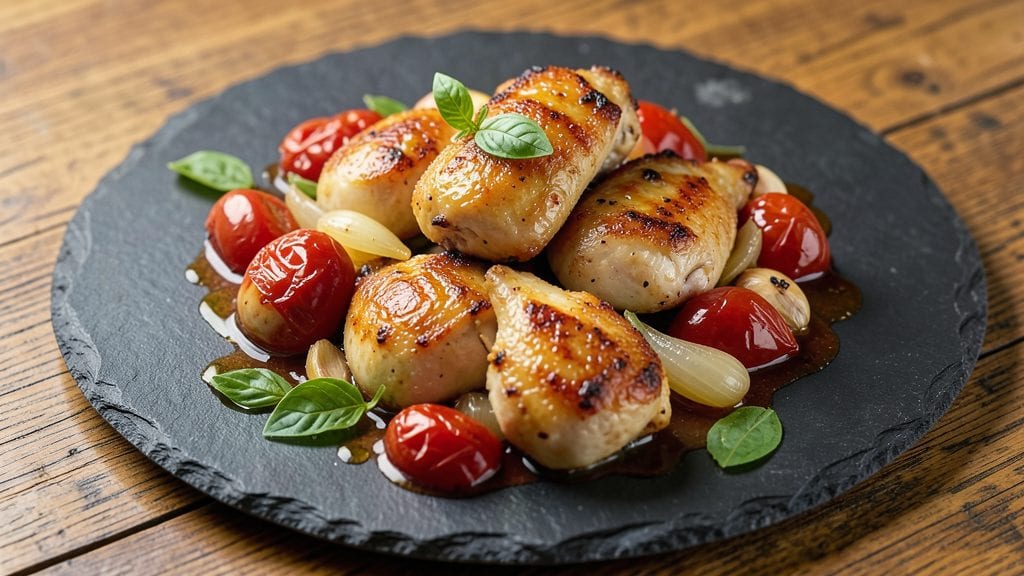
Gordon Ramsay’s chicken cacciatore recipe transforms simple ingredients into a restaurant-worthy dish with bold tomato-braised flavors and aromatic herbs. The secret lies in proper pan-searing and careful deglazing—techniques I’ve perfected after years of working in professional kitchens. This dish proves that homemade Italian classics can rival any trattoria.
What sets this recipe apart is the layered approach: chicken first develops a golden crust, then simmers in a rich tomato-herb sauce until tender and infused with flavor. The key is patience—allowing the sauce to reduce slowly while the chicken absorbs all those vibrant notes.
I’ve adapted Ramsay’s method to work in home kitchens without sacrificing depth or texture.
By the time you serve this dish, you’ll have perfectly braised chicken with a sauce that’s velvety yet bright, balanced between sweet tomatoes and fresh herbs.
The aroma alone will have everyone at the table anticipating each bite. This is comfort food elevated—simple enough for weeknights but impressive enough for guests.
Pair it with crusty bread to soak up every last drop of sauce or serve alongside creamy polenta for a complete meal. The technique is approachable, but the result feels like a masterpiece. Let’s get cooking—this is one dish that delivers on both flavor and presentation.
Ingredients for chicken cacciatore gordon ramsay
Simple ingredients elevated by technique—this is Ramsay's approach to chicken cacciatore.
| Ingredient | Amount | Notes |
|---|---|---|
| Boneless, Skinless Chicken Thighs 🍗 | 1 ½ lb | Cut into 1-inch pieces |
| Extra-Virgin Olive Oil 🫒 | ½ cup | High quality, fruity |
| Yellow Onion 🧅 | 1 whole | Thinly sliced, about 2 cups |
| Garlic Cloves 🧄 | 6 cloves | Minced, peeled |
| Canned San Marzano Tomatoes 🍅 | 2 cans | 28 oz each, crushed by hand |
| Dry White Wine 🍷 | ½ cup | Sauvignon Blanc preferred |
| Chicken Stock 💧 | 1 cup | Homemade or quality store-bought |
| Fresh Rosemary 🌿 | ¼ cup | Chopped, stems removed |
| Fresh Thyme 🌿 | ¼ cup | Leaves only, stems removed |
| Fresh Parsley 🌿 | ¼ cup | Chopped, for garnish |
| Tomato Paste 🍅 | 2 tbsp | Smooth, not chunky |
| Kosher Salt 🧂 | 1 ½ tsp | Adjust to taste |
| Ground Black Pepper 🌶️ | 1 tsp | Freshly ground preferred |
| Red Pepper Flakes 🌶️ | ½ tsp | Optional, for heat |
| Crusty Bread 🍞 | 4 slices | For serving, optional |
The chicken thighs are non-negotiable here—bone-in, skin-on for maximum flavor, but boneless thighs work if you're in a hurry. Whole Foods or Trader Joe's carry excellent cuts, but any grocery store with a butcher section will have what you need. Look for thighs with good marbling—those little white streaks of fat are what keep the meat juicy during the long braise. If you can't find thighs, breasts work too, but they'll need extra time to stay tender. The San Marzano tomatoes are worth seeking out—their sweetness and low acidity make all the difference in the final sauce. Costco or Amazon Fresh often have them at good prices.
No white wine? Chicken stock with a splash of lemon juice works in a pinch—just add a pinch of sugar to balance the acidity. Fresh herbs are ideal, but dried works at half the amount. If you're missing rosemary, thyme plus a bay leaf gets you close. The tomato paste can be substituted with extra crushed tomatoes, though you'll lose some of that concentrated umami. For the bread, a baguette from the bakery section is perfect—it'll soak up every last drop of that rich sauce. If you're serving this to guests who prefer less heat, skip the red pepper flakes entirely—the dish still shines without them.
This dish tastes even better the next day as the flavors meld. Store leftovers in an airtight container in the fridge for up to 4 days, or freeze for 3 months. The sauce thickens as it cools, so a splash of water or stock brings it back to perfection when reheating. For make-ahead prep, braise the chicken and sauce up to 2 days ahead, then finish with fresh herbs just before serving. The bread should be served fresh—it's all about that crisp crust to contrast the tender chicken.
Why You'll Love This Recipe
- One-Pan Magic: Honestly, I swear by this—just brown the chicken, toss in the onions and garlic, add the tomatoes, and let it simmer. No extra pots, no fuss, no stress. The San Marzano tomatoes do all the heavy lifting while you sip wine and pretend you’re not cooking.
- Garlic Bomb: Between us, this recipe turns your kitchen into a flavor factory. Those minced garlic cloves sizzling in olive oil? Absolute gold. The chicken soaks up the aroma, and the tomatoes caramelize into a sweet, tangy sauce that’ll make you forget store-bought ever existed.
- Leftovers for Days: I make this on Sundays and eat it for lunch all week—no joke. The sauce thickens beautifully, and the chicken stays juicy even reheated. Pack it in jars or containers, and you’ve got a meal that tastes like you spent hours (but you didn’t).
- Budget Chef’s Secret: Skinless thighs are forgiving, cheap, and pack flavor like a punch. A can of San Marzano tomatoes and a head of garlic stretch this dish into a full family dinner without breaking the bank. Plus, the olive oil adds richness that makes it feel special—even if your wallet’s happy.
Instructions for gordon Ramsay's chicken cacciatore
Here's how to create this rich, aromatic tomato-braised chicken dish with professional precision.
Prepare the Chicken and Build the Base
Pat the 1.5 lb boneless, skinless chicken thighs completely dry with paper towels—this ensures maximum browning. Cut each thigh into 1-inch pieces and set aside. In a large Dutch oven, heat 0.5 cup extra-virgin olive oil over medium-high heat until shimmering. Add the chicken pieces in a single layer and cook undisturbed for 5-6 minutes until golden brown on all sides. You'll see the edges crisp slightly—that's your signal to flip.
Once the chicken is browned, remove it from the pot and set aside. In the same Dutch oven, add 2 tbsp tomato paste and cook for 1 minute until it darkens slightly. This creates a rich, flavorful base for your sauce. Immediately add the 1 whole yellow onion (thinly sliced) and cook for 3-4 minutes until softened but not browned. The onion should release its sweet aroma—this is when you know it's ready for the next step.
Develop the Aromatics and Deglaze
Add the 6 minced garlic cloves and cook for 30 seconds until fragrant—don't let it brown or it'll turn bitter. Stir in the 0.25 cup chopped fresh rosemary, 0.25 cup fresh thyme leaves, and 0.5 tsp red pepper flakes, cooking for another 30 seconds to release their essential oils. This is where the dish builds its complex herbaceous flavor profile.
Pour in the 0.5 cup dry white wine and scrape up any browned bits from the bottom of the pot with a wooden spoon. This deglazing step captures all the flavor you've built so far. Let the wine simmer for 2-3 minutes until reduced by half—you'll see it thicken slightly and its alcohol burn off. This reduction concentrates the flavors and prepares the sauce for the tomatoes.
Braise the Chicken in Tomato Sauce
Add the 2 cans crushed San Marzano tomatoes (about 28 oz total) and 1 cup chicken stock to the Dutch oven. Return the chicken to the pot, spooning some of the tomato mixture over the top to coat. Bring to a gentle simmer, then reduce heat to low and cover partially. Braise for 45-50 minutes, stirring occasionally, until the chicken is tender and the sauce has thickened to a rich consistency.
Check the sauce consistency after 30 minutes—if it's too thin, uncover and simmer for another 10 minutes to reduce further. The sauce should coat the back of a spoon but still be saucy enough to spoon over the chicken. Taste and adjust seasoning with 1.5 tsp kosher salt and 1 tsp freshly ground black pepper—this is where you balance all the flavors.
Finish and Serve
Once the chicken is tender and the sauce has thickened, stir in the 0.25 cup chopped fresh parsley. This adds a bright finish that cuts through the richness of the tomato sauce. Let the dish simmer uncovered for 5-7 minutes to allow any excess moisture to evaporate and the flavors to meld completely.
Ladle the chicken and sauce over 4 slices crusty bread or serve family-style in the Dutch oven. The bread soaks up the rich tomato sauce beautifully, creating the perfect vehicle for this hearty dish. Each bite should deliver tender chicken, aromatic herbs, and a balance of sweet and acidic tomato flavors with just a hint of heat from the red pepper flakes.
Pro Tips For Making Chicken Cacciatore Gordon Ramsay
- CRISP THE SKIN FIRST: Even with boneless thighs, patting them dry and searing them skin-side down in a screaming-hot pan for 3-4 minutes creates a better texture than just browning them. I used to skip this because they’re skinless, but that crisping step locks in flavor—no one will guess you didn’t use bone-in.
- SWEAT ONIONS LOW AND SLOW: Dump those onions in with a pinch of salt and let them cook at medium-low for 8-10 minutes until they’re translucent and slightly caramelized. Rushing this step makes the sauce taste raw—trust me, I’ve burned through three batches where the onions just sat there, stubborn and flavorless.
- DEGLAZE WITH WHITE WINE: After browning the chicken, splash in about ½ cup of dry white wine (even cheap stuff works) and let it reduce by half before adding tomatoes. The acid cuts through the richness and brightens the sauce—skipping this step leaves you with a heavier, one-note dish.
- STIR THE TOMATOES GENTLY: Once the tomatoes hit the pan, give them a light stir to break them up, then let them simmer uncovered for 20 minutes. Over-stirring turns the sauce into mush, and covering it too soon traps moisture—you want that thick, jammy consistency Ramsay’s version nails.
Pro cooking tips for perfect results
Deglazing Mastery
This is where the magic happens—deglazing captures all those fond bits (browned food particles) that pack serious flavor. After searing the chicken, don’t just scrape—use a wooden spoon to aggressively scrape up every last bit while pouring in the white wine.
I’ve seen home cooks miss this step, and it’s like skipping the best part of the dish. The wine should reduce by half before adding tomatoes—this concentrates the flavors and creates a silky base. 🌡️
Tomato Selection Matters
Cheap canned tomatoes? Forget it. San Marzano tomatoes are non-negotiable for that authentic sweetness and low acidity. If you can’t find them, look for whole peeled tomatoes (like Muir Glen) and crush them by hand for texture.
The difference in flavor is night and day—like comparing a $5 steak to a $50 dry-aged cut. Pro tip: Stir the tomatoes in after the wine reduction to prevent curdling from the alcohol.
Herb Timing is Critical
Fresh rosemary and thyme should be added after the garlic but before the wine. This ensures their essential oils infuse the sauce without burning. I like to tie them in a cheesecloth bundle so I can remove them before serving—clean presentation matters.
For dried herbs, use half the amount and add them with the tomatoes. Never skip the parsley at the end—it brightens the dish with its fresh, citrusy note. 🌿
Low and Slow Braising
The 45-50 minute braise at low heat is where the chicken transforms from tough to tender. If your sauce reduces too quickly, add a splash of chicken stock to maintain moisture. I’ve ruined a dish by rushing this step—patience is key.
The sauce should coat the back of a spoon but still be spoonable. Taste as you go: adjust salt gradually—it’s easier to fix under-seasoned than over-salted sauce.
Equipment Upgrade
A Dutch oven is your best friend here—it traps heat and steam for even cooking. If you don’t own one, a heavy-bottomed pot works in a pinch. My Lodge cast iron Dutch oven has been my workhorse for years—it retains heat like a dream.
For deglazing, a wooden spoon is non-negotiable—metal can scratch your pot. And always use long-handled tongs to avoid burning yourself when handling the hot pot. 🔥
Make-Ahead Pro Tips
This dish tastes better the next day as flavors meld. Store leftovers in an airtight container in the fridge for up to 4 days. To reheat, add a splash of water or stock to prevent drying out.
For make-ahead prep, braise the chicken and sauce up to 2 days ahead, then finish with fresh herbs just before serving. The bread should be toasted fresh—nothing beats that crisp crust to contrast the tender chicken. 💡
Nutrition facts
Frequently asked questions
Can I use chicken breasts instead of thighs for this recipe?
Chicken breasts work but require extra care. Cut them into 1-inch pieces and pound them to an even thickness to ensure even cooking. Braise for 30-35 minutes instead of 45-50 minutes to prevent drying out. Add 1/4 cup extra chicken stock to the pot to keep the sauce moist. The breasts will be more delicate but still delicious when served with the rich tomato sauce.
What if I don't have white wine? Can I substitute it?
Use 1/4 cup apple cider vinegar + 1/4 cup chicken stock for acidity and depth. Or try 1/2 cup chicken stock + 1 tsp lemon juice for brightness. The key is balancing acidity—add a pinch of sugar if needed to offset any sharpness. Never skip the deglazing step, as it captures all the flavorful browned bits from the chicken.
Why does my sauce turn out watery? How can I fix it?
Watery sauce usually means the tomatoes weren't reduced enough. After adding the tomatoes and stock, simmer uncovered for 10-15 minutes to thicken it. If it's still too thin, make a quick roux by mixing 1 tbsp tomato paste with 1 tsp olive oil, then stir it into the sauce. For future attempts, reduce heat to low and let it cook longer—patience is key for that perfect consistency.
Can I make this dish ahead of time?
This dish actually tastes better the next day! Cook it completely, then store in an airtight container in the fridge for up to 4 days. Reheat gently on the stove with a splash of water or stock. For best results, finish with fresh herbs just before serving to keep their vibrant color and flavor. The flavors meld beautifully overnight, making it perfect for meal prep.
What's the best way to serve chicken cacciatore?
Serve it family-style straight from the Dutch oven with crusty bread for soaking up the sauce. For a complete meal, pair with creamy polenta, mashed potatoes, or a simple green salad. The rich tomato sauce also works beautifully over pasta if you're feeling adventurous. Garnish with extra parsley and a sprinkle of flaky sea salt for that restaurant-quality finish.