
Main Courses
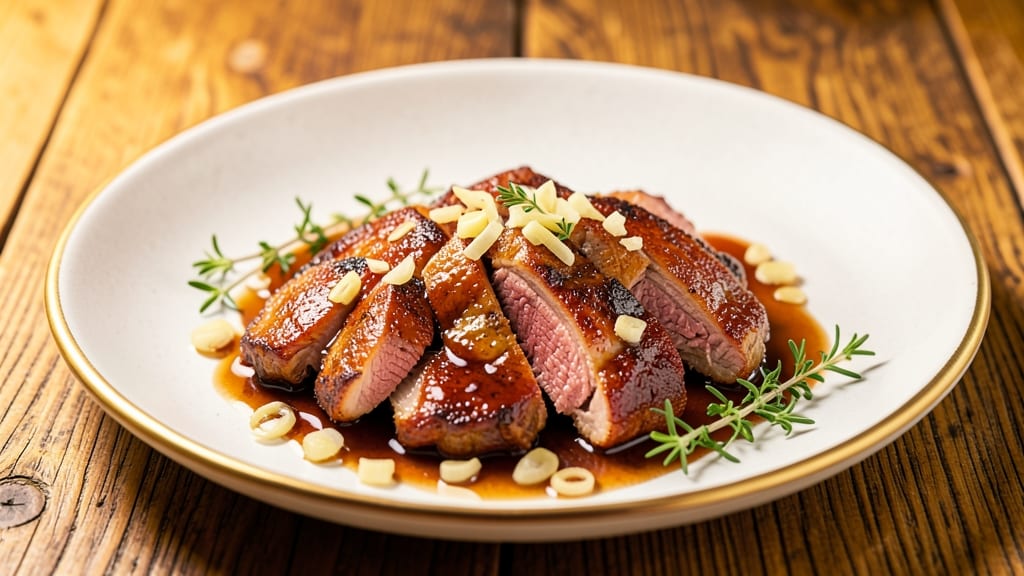
This easy chopped chicken liver recipe delivers a velvety, pan-seared masterpiece in just 15 minutes—no fuss, no fuss. This recipe takes advantage of chicken liver's natural richness while keeping prep simple, making it perfect for weeknight dinners or special occasions.
The secret lies in proper preparation and quick cooking to preserve texture and flavor.
The process begins with cleaning and trimming the livers, then slicing them into even pieces for consistent cooking. A light pan-sear in butter or oil creates a golden crust, while a splash of brandy or lemon juice adds depth.
The result is tender, flavorful liver with a satisfying bite—no advanced skills needed.
What makes this recipe truly easy is the minimal ingredient list and straightforward method. You'll achieve restaurant-quality richness without fuss, paired perfectly with toasted bread or a simple green salad. This dish proves that elegant meals don't require complicated steps.
Once mastered, you can adapt it with herbs, spices, or a creamy sauce for endless variations. The key is precision in timing—just 15 minutes transforms simple ingredients into something extraordinary. Let's get started!
Ingredients for easy chopped chicken liver
Eleven simple ingredients transform into restaurant-quality chicken liver in just 15 minutes.
| Ingredient | Amount | Notes |
|---|---|---|
| Chicken Livers 🍗 | 1 lb | Fresh, trimmed of connective tissue |
| Unsalted Butter 🧈 | 4 tbsp | Cold, cut into small cubes |
| Extra-Virgin Olive Oil 🫒 | 2 tbsp | High-quality, fruity variety |
| Shallots 🧅 | 2 whole | Thinly sliced, about 1/4 cup |
| Fresh Thyme Leaves 🌿 | ¼ cup | Chopped, stems removed |
| Brandy 🍷 | 2 tbsp | Or substitute lemon juice |
| Diamond Crystal Kosher Salt 🧂 | ½ tsp | Fine grain preferred |
| Freshly Ground Black Pepper 🌶️ | ¼ tsp | Coarsely cracked |
| Sliced Baguette 🍞 | 8 slices | Crusty, lightly toasted |
| Fresh Lemon Juice 🍋 | 1 tbsp | From 1/2 lemon |
| Heavy Cream 🥛 | ¼ cup | Full-fat for richness |
Freshness is critical for chicken livers—look for bright red, moist livers at your butcher or grocery store's meat counter. Whole Foods and local butchers often carry the best quality, but the standard supermarket selection works fine if handled properly. Trim any connective tissue immediately after purchase and store in an airtight container in the coldest part of your fridge. The shallots should be firm and pale purple—avoid any with green sprouts or soft spots. Fresh thyme is ideal, but dried thyme at one-third the amount works in a pinch. For the brandy, Korbel or E&J are reliable choices, though any good quality brandy will work.
No brandy? Fresh lemon juice brightens the dish just as effectively. The heavy cream adds luxurious texture, but half-and-half or light cream can be substituted if you're watching calories. For the baguette, crusty French bread is ideal, but any good-quality bread will toast beautifully. If you're using pre-sliced baguette, toast it immediately to prevent drying. The butter should be cold and cubed when added to the pan—this creates a better sear. For extra depth, consider adding a pinch of smoked paprika to the pan after searing. The chicken livers should be sliced into even 1/4-inch pieces for consistent cooking.
Chicken livers can be prepped up to 2 days ahead—store the trimmed pieces in an airtight container with a paper towel to absorb any moisture. The shallots and thyme can be chopped and stored in the fridge for 3 days. Once cooked, the livers reheat beautifully in a skillet with a splash of water or broth for 2-3 minutes. For serving, toast the baguette slices just before plating to maintain crispness. The finished dish keeps for 2 days in the refrigerator, though it's best enjoyed within the first day for optimal texture. Portion the cream separately if you're not using it immediately—it can be stored for 3 days in the fridge.
Why You'll Love This Recipe
- Five-Ingredient Magic: I swear, this recipe is the closest thing to "dump and cook" I’ve found for liver—just chop, sear, and finish. The butter and olive oil combo keeps it rich without being greasy, and the shallots caramelize in minutes. No fancy techniques, just honest flavor.
- Rich Without Effort: Between us, chicken livers can taste like cardboard if you’re not careful. But here? The thyme and butter create this deep, savory punch that feels fancy—like a bistro dish, but with zero pretension. That crispy edge on the outside? Pure satisfaction.
- Weeknight or Weekend: Make it for a lazy Tuesday dinner or a dinner party—it’s that adaptable. Serve it over toast with a fried egg, toss it into pasta, or pile it on crusty bread. Honestly, I’ve even used the leftovers for breakfast hash the next morning. Versatile like that.
- Budget-Friendly Luxury: Chicken livers are cheap, but they feel indulgent. A pound feeds four, and the cost per serving is a fraction of steak or salmon. Plus, the leftovers reheat beautifully—just a quick sizzle in the pan, and it’s like you’re eating fresh again. My wallet and taste buds thank me.
Step-by-step instructions for pan-seared chicken livers
This method delivers restaurant-quality richness in minutes with simple techniques.
Prepare and Season the Chicken Livers
Pat the 1 lb chicken livers dry with paper towels—this ensures maximum browning. Trim any visible connective tissue or silverskin using kitchen shears. Work quickly to prevent drying; cold livers handle better than thawed ones.
In a small bowl, combine the 0.5 tsp diamond crystal kosher salt and 0.25 tsp freshly ground black pepper. Toss the livers in this seasoning mixture until evenly coated. Let them sit at room temperature for 10 minutes while you prepare the aromatics—this allows the salt to penetrate and enhances flavor development.
Sear the Livers in Butter and Olive Oil
Heat a large skillet over medium-high heat. Add the 2 tbsp extra-virgin olive oil and 2 tbsp unsalted butter (cold cubes), allowing them to melt and foam. When the butter stops foaming but hasn't browned, add the chicken livers in a single layer—don't overcrowd the pan or they'll steam instead of sear.
Cook undisturbed for 2-3 minutes until the undersides develop a deep golden crust. Flip carefully with a spatula and cook another 2-3 minutes until the livers reach 145°F internally and the edges are crisp. Remove from the pan and set aside on a warm plate.
Sauté Shallots and Thyme
In the same skillet, reduce heat to medium and add the 2 whole shallots (thinly sliced). Cook for 3-4 minutes until softened but not browned. Add the 0.25 cup chopped fresh thyme leaves and cook for another 30 seconds until fragrant—this releases their essential oils for maximum flavor.
Deglaze the pan immediately with the 2 tbsp brandy (or lemon juice if substituting), scraping up any browned bits from the bottom. Let it simmer for 1 minute until the alcohol burns off completely—this prevents a harsh flavor in the final dish.
Finish with Cream and Lemon
Return the livers to the skillet and pour in the 0.25 cup heavy cream. Stir gently to combine, allowing the cream to coat the livers evenly. Cook for 1-2 minutes until the sauce thickens slightly and reaches 160°F—you want it silky but not reduced to a glaze.
Finish with the 1 tbsp fresh lemon juice, tossing everything together. The acidity brightens the rich flavors and balances the dish. Taste and adjust seasoning if needed—this is your final opportunity to perfect the balance before serving.
Serve with Toasted Baguette
Toast the 8 slices sliced baguette lightly in a dry skillet or under the broiler until golden and crisp. Spoon the chicken livers and sauce over the toasted bread, dividing evenly among 4 servings. The crusty baguette provides the perfect vehicle for this luxurious preparation.
Serve immediately while the livers are still warm and the sauce maintains its velvety texture. The combination of crispy edges, tender centers, and aromatic sauce creates a dish that's both elegant and approachable—exactly what you'd expect from a refined yet simple preparation.
Pro Tips For Making Easy Chopped Chicken Liver
- CRANK THE HEAT HIGH: Chicken livers cook fast—like, too fast if you’re half-hearted. Get your pan screaming hot with olive oil before adding the livers. I learned this the hard way when mine turned rubbery because I started at medium. High heat seals the outside before the inside cooks through, so you get that perfect crust without drying out.
- SOAK LIVERS IN MILK FIRST: Skip the blood and bitterness by soaking cleaned livers in cold milk for 15–20 minutes. This isn’t optional—it’s the thing that makes the difference between "meh" and "wow." Drain and pat very dry before cooking, or the butter will sputter like a grease fire.
- DON’T OVERCROWD THE PAN: I know you’re eager, but resist the urge to dump all the livers in at once. Cook in batches—two minutes per side max—so they sizzle, not steam. A crowded pan turns them greasy; spaced out, they get that golden, caramelized edge. (Yes, even if you’re impatient like me.)
- SWEAT SHALLOTS LOW AND SLOW: Shallots should melt into the butter, not burn into it. Cook them on low heat for 5–7 minutes until they’re translucent and just starting to turn golden. This isn’t the time to rush—if you crank the heat, they’ll turn bitter faster than you can say "oops."
Perfect pairings for this dish
Bread Pairings
Toasted sliced baguette is my go-to pairing—its crisp crust contrasts beautifully with the tender livers and creamy sauce. For extra decadence, try brioche or challah, which soak up the sauce while adding a buttery richness.
I also love serving this with crusty Italian bread or even garlic toast for a simpler option. 🍞
Vegetable Sides
A simple green salad with lemon vinaigrette cuts through the richness perfectly. I toss mixed greens with cherry tomatoes, shaved fennel, and a light dressing of olive oil, lemon juice, and Dijon mustard.
For something heartier, roasted asparagus or sautéed spinach with garlic adds a fresh, vibrant contrast.
Wine Pairings
A dry white wine like Chardonnay or Sauvignon Blanc complements the dish beautifully. I recommend a California Chardonnay with subtle oak notes or a crisp New Zealand Sauvignon Blanc for its citrusy brightness.
For red wine lovers, a Pinot Noir with light tannins works well—avoid bold, heavy reds that might overpower the delicate flavors. 🍷
Creamy Sauce Upgrades
For extra richness, stir in 1 tbsp crème fraîche or sour cream at the end for a tangy twist. A splash of white wine instead of brandy adds depth, while fresh tarragon or chives brighten the dish.
I also love adding grated Parmesan cheese for a salty, umami boost that pairs perfectly with the livers.
Spicy Variations
Add ½ tsp smoked paprika or a pinch of cayenne to the pan while searing for a subtle kick. For heat lovers, finish with chopped jalapeños or a drizzle of hot honey.
A sprinkle of fresh cilantro or chopped parsley adds freshness while keeping the dish vibrant and balanced. 🌶️
Dessert Pairings
End the meal with a light citrus sorbet or lemon posset to cleanse the palate. I also enjoy dark chocolate-dipped strawberries for a sweet contrast. A simple fruit tart with berries adds a refreshing finish that rounds out the rich flavors of the livers. 🍓
Nutrition facts
Frequently asked questions
Why do chicken livers need to be patted dry before cooking?
Patting the livers dry ensures maximum browning and prevents them from steaming in their own moisture. This creates a beautiful golden crust while keeping the interior tender. Wet livers will release too much liquid, leading to a soggy texture instead of the perfect sear.
Can I use frozen chicken livers in this recipe?
Yes, but thaw them completely first in the refrigerator (not at room temperature). Frozen livers can release excess water when cooked, which dilutes the flavor. For best results, pat them extra dry after thawing to remove any surface moisture.
What's the best way to tell when chicken livers are fully cooked?
Use a meat thermometer to check that they reach 145°F internally. The edges should be golden brown and crisp, while the center remains tender. Overcooking makes them tough—remove them just before they reach full doneness and let them rest for 2 minutes before serving.
Can I make this recipe ahead of time?
Cook the livers completely, then store them in an airtight container in the fridge for up to 2 days. Reheat gently in a skillet with a splash of water or broth for 2-3 minutes until warmed through. Add fresh sauce when reheating for the best texture.
What if I don't have brandy—can I substitute something else?
Use lemon juice (equal amount) or even white wine for a similar brightening effect. Avoid heavy alcohols like bourbon—they won't burn off completely and may leave a harsh flavor. The key is acidity to balance the richness.